 CalcElf
Rope breaks at 20 N: speed of the ball
A ball of mass 0.5 kg on a smooth horizontal table moves in a circle at constant speed on a string 0.4 m long; the string can stand a maximum tension of 20 N. Find the speed of the ball when the string is just about to break.
Step-by-step
- T = mv²/r → v = √(Tr/m) = √(20×0.4/0.5) = 4The rope's tension provides the centripetal force; it snaps at maximum tension
Why it works
In horizontal circular motion on a table the rope tension alone provides the centripetal force, T = mv²/r; the normal force balances the weight, so gravity does not enter the answer.
Common mistakes
- Adding the weight mg into the tension, even though on a horizontal table the normal force balances gravity.
- Using the ball's mass or the tension as the radius in T = mv²/r.
Related
conveyor-belt vertical-throw circular-rope-2m-100n-0-5kg
Stage diagrams
Set up 1 — Rope breaks at 20 N: speed of the ball
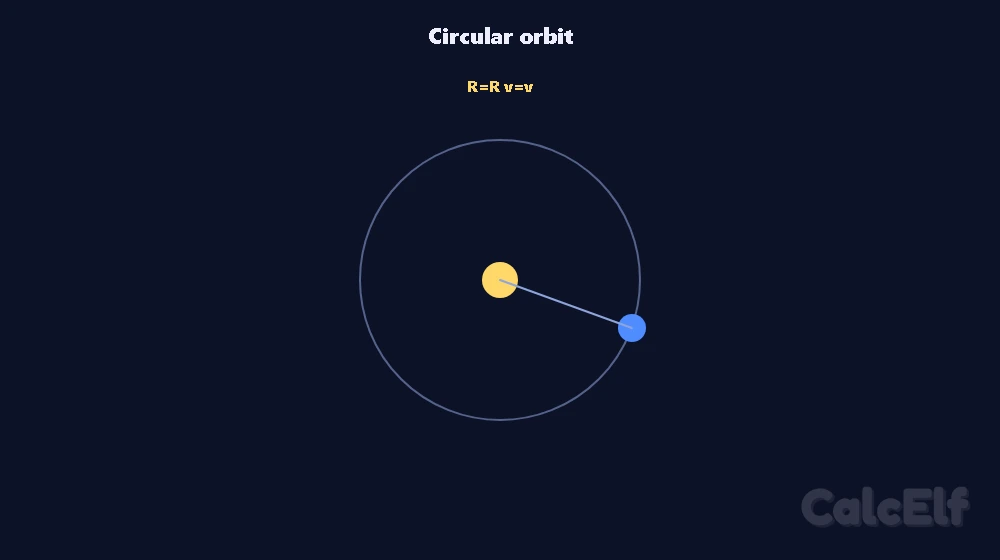
Stage 1 — Set up: Read the problem and mark the given values and the target. Rope breaks at 20 N: speed of the ball
In horizontal circular motion on a table the rope tension alone provides the centripetal force, T = mv²/r; the normal force balances the weight, so gravity does not enter the answer.
Work the relation 2 — Rope breaks at 20 N: speed of the ball
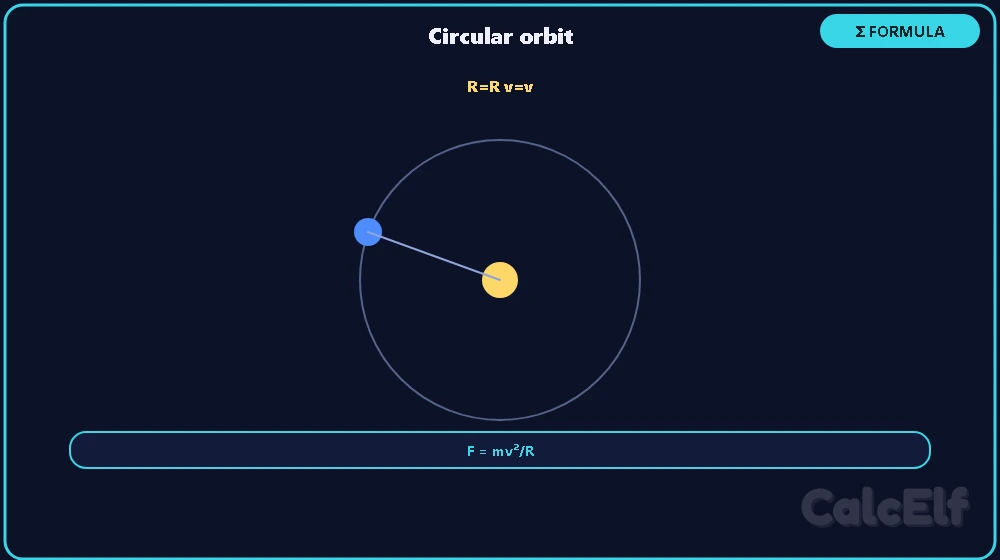
Stage 2 — Work the relation: T = mv²/r → v = √(Tr/m) = √(20×0.4/0.5) = 4
In horizontal circular motion on a table the rope tension alone provides the centripetal force, T = mv²/r; the normal force balances the weight, so gravity does not enter the answer.
Conclusion 3 — Rope breaks at 20 N: speed of the ball
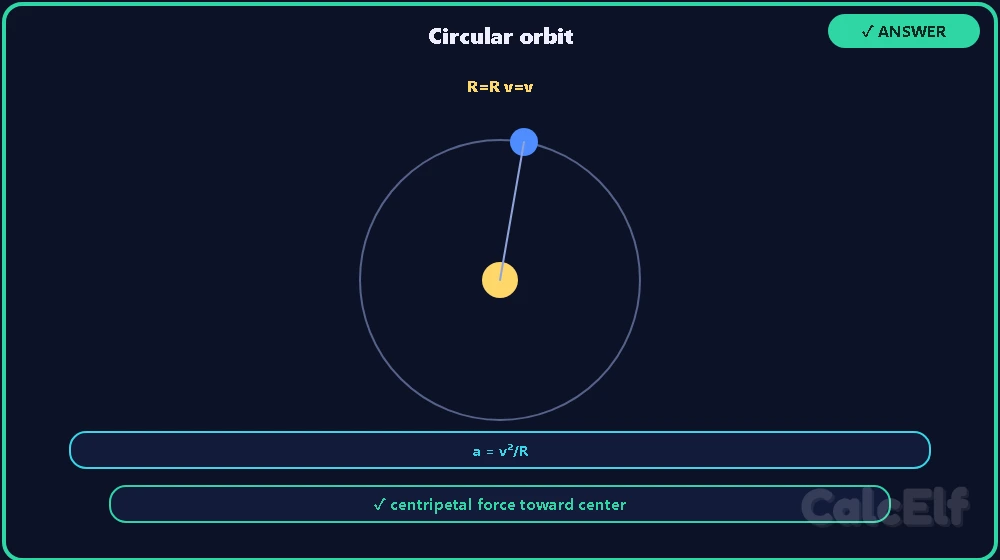
Stage 3 — Conclusion: T = mv²/r → v = √(Tr/m) = √(20×0.4/0.5) = 4.
In horizontal circular motion on a table the rope tension alone provides the centripetal force, T = mv²/r; the normal force balances the weight, so gravity does not enter the answer.